

Digital payments have made daily life faster, but speed comes with a risk: it becomes easy to lose track of where money goes.
A small online purchase, an automatic renewal, or a service upgrade can appear on a bank statement weeks later — and many people only notice when the account balance feels lower than expected.
This is why digital payment alerts are becoming a valuable budgeting tool.
What are payment alerts?
Payment alerts are instant messages sent by banking apps or digital wallets whenever money leaves your account.
They appear as a notification on your phone or by email and allow you to confirm:
With this information, financial surprises are reduced immediately.
How do alerts help?
-
Prevent accidental spending
If a service charges you without permission or you forget a subscription, the alert appears instantly.
-
Spot unusual activity
If a payment looks unfamiliar, you can check it right away and contact your bank if needed.
-
Improve financial awareness
Seeing every payment in real time strengthens budgeting habits, even without spreadsheets or apps.
-
Reduce end-of-month confusion
Instead of reading long statements, short alerts keep everything clear.
Simple ways to activate alerts
Most digital banking platforms include free notification settings.
It usually takes less than one minute to activate:
No advanced knowledge is required.
Final takeaway
Digital payment alerts act like a small protective shield.
They improve awareness, catch forgotten charges, and create calm financial control.
With one simple step, individuals can keep their budget safe without changing any daily habits.
Recent Post
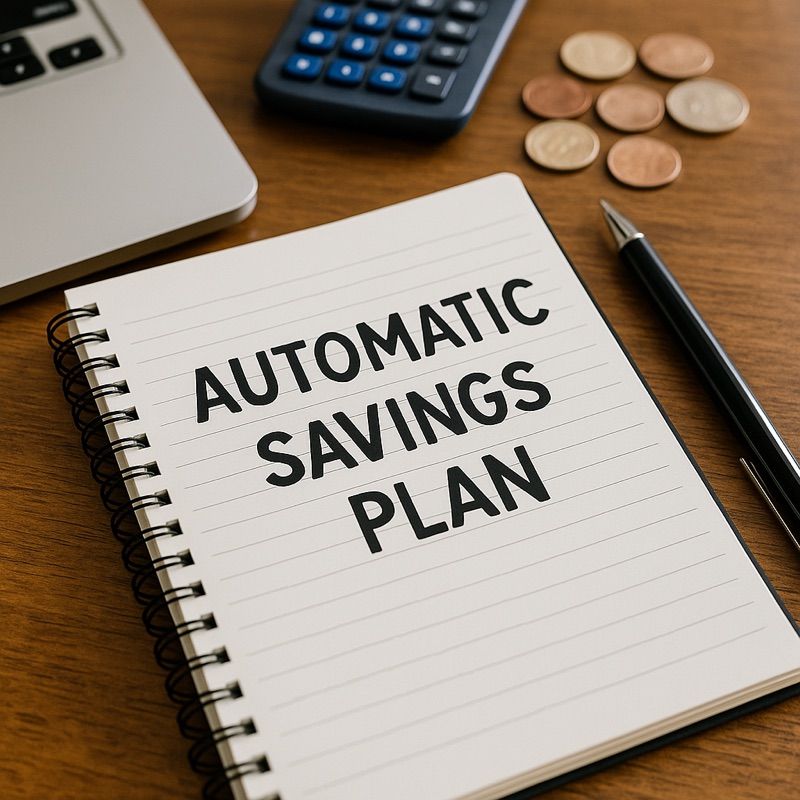
A practical look at how automated saving and bill-tracking systems can make financial planning easier for busy individuals.